



Rizwana
A teenage domestic worker from Sargodha was hospitalized with serious injuries following alleged prolonged abuse in Islamabad. The arrest of an accused person is not a final conviction.
Reporting and advocacy record ↗A story about childhood, work, and the gaps in protection in Pakistan.
Begin the story ↓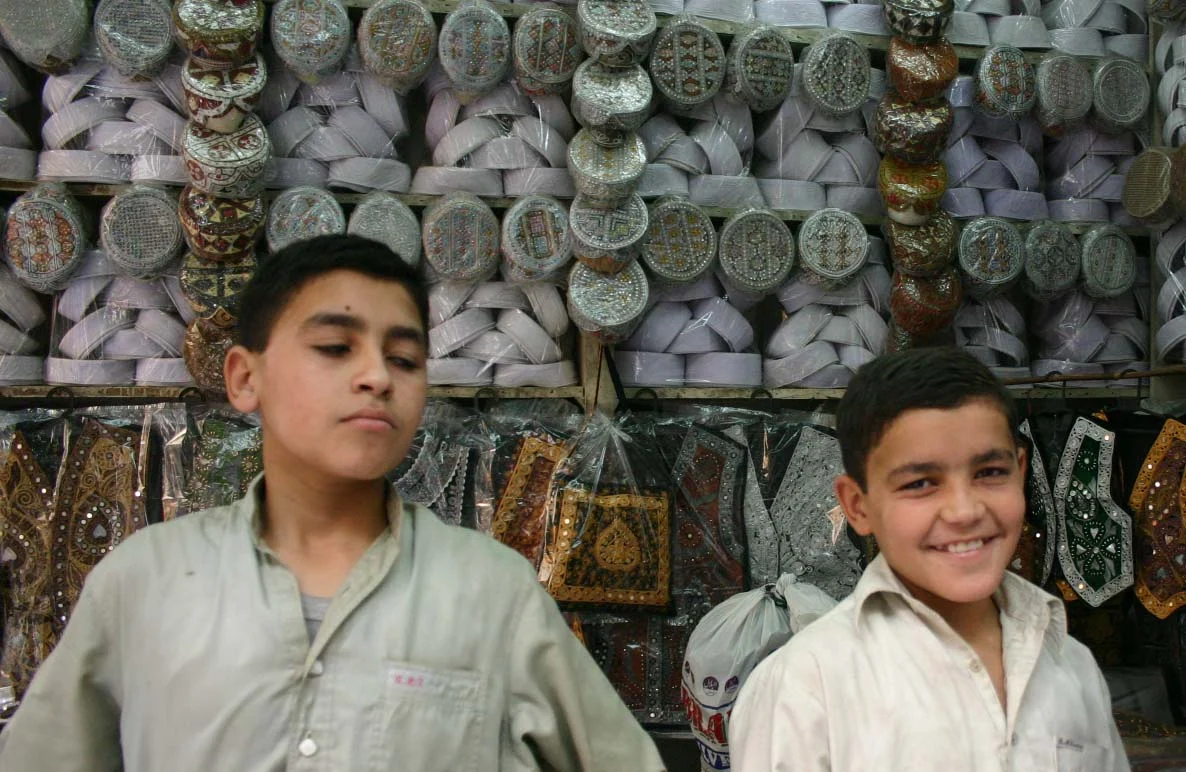
Before a child can choose where to go, what to learn, or who to become, adults and institutions make decisions that can shape an entire life.
In Punjab, those decisions can include leaving school to work, inheriting a parent's debt or entering somebody else's home as a domestic worker. In other cases, a child is harmed by the very people entrusted with their care.
This is a story about what can be measured, what has been reported, and the lives still missing from the numbers.
Content note: this investigation discusses child sexual abuse, violence, abandonment, and exploitative labour. Individual survivors are not depicted in illustrative photographs.
Statistics cannot describe an individual life. But they show how widespread exclusion and exploitation can be.
That was approximately 16.9% of children in the measured age group. A different 2023–24 survey reports a lower figure, but methodological differences mean the decline cannot simply be read as a verified improvement.
Source: provincial child labour data ↗This figure is a published estimate, not an exact count of children currently out of school in October 2026. It does not mean every out-of-school child is also a child labourer.
Source: UNICEF Pakistan ↗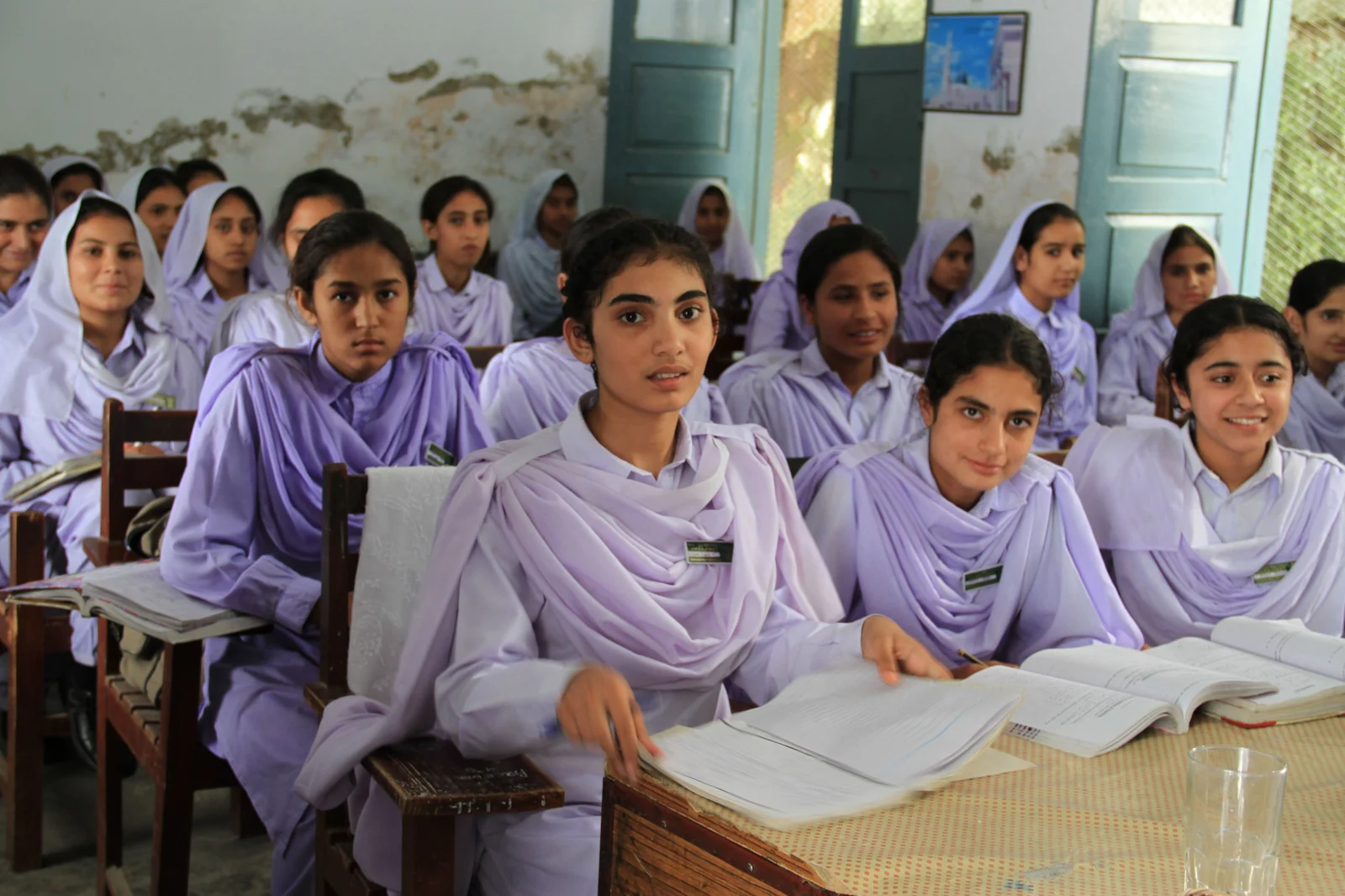

Private houses can be difficult places for outsiders to see abuse—especially when a young worker depends on the employer for food, wages or shelter.
Child domestic workers may be responsible for cleaning, cooking and childcare while losing their own education. Some report violence, long hours and restrictions on movement.
It is not possible to count all live-in child domestic workers through ordinary labour inspections. The private nature of the work makes reliable measurement particularly difficult.
A teenage domestic worker from Sargodha was hospitalized with serious injuries following alleged prolonged abuse in Islamabad. The arrest of an accused person is not a final conviction.
Reporting and advocacy record ↗Reported incidents included the death of an 11-year-old domestic worker in Faisalabad after alleged torture and police action in an alleged abuse case involving a 12-year-old in Lodhran.
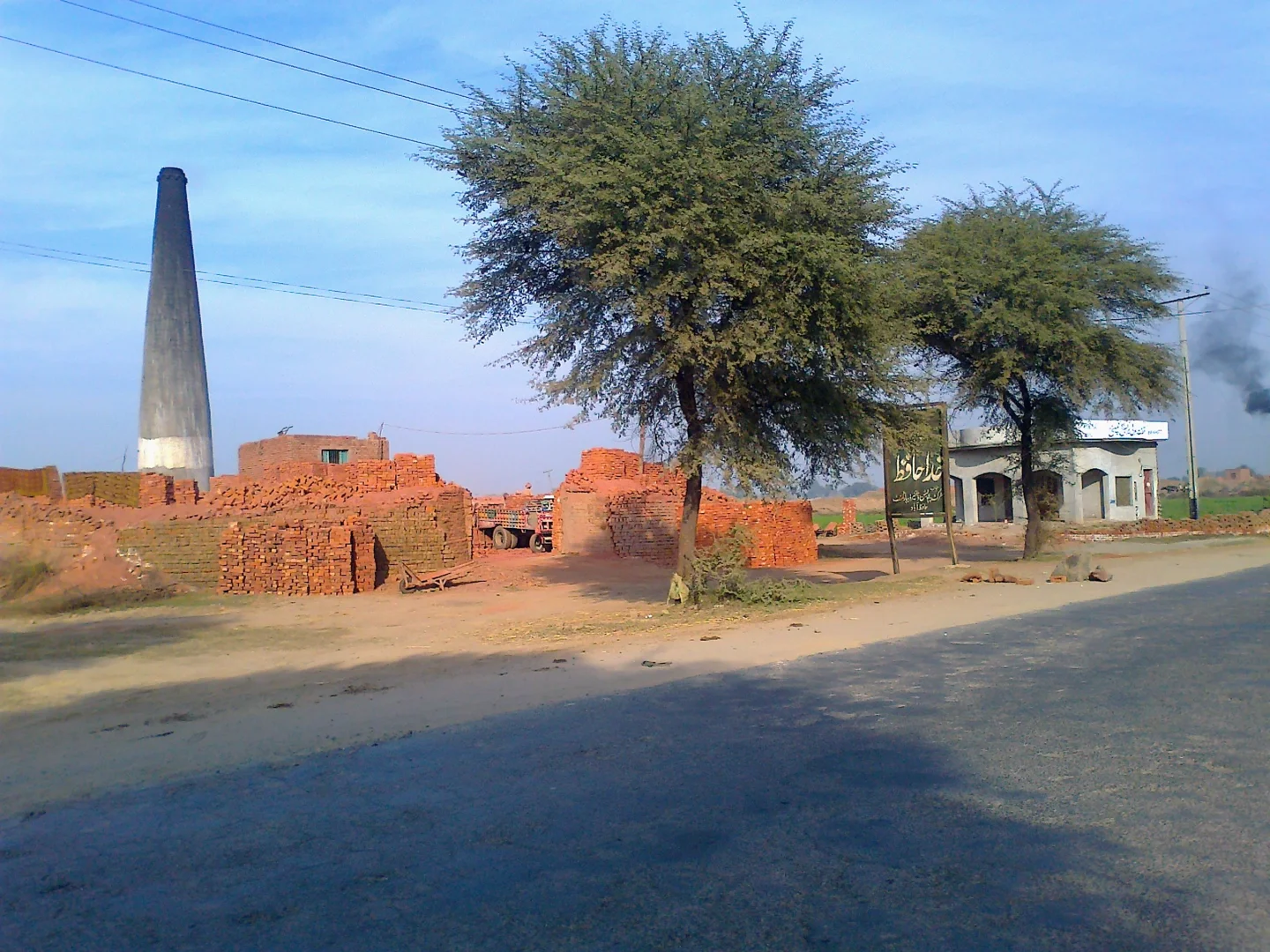
HRCP reports and case monitoring ↗Brick kilns are one of the settings where researchers and anti-trafficking monitors have documented bonded labour involving families and children.
A family borrows money from an employer, sometimes to meet urgent needs.
Wages are offset against the advance. Without transparent accounting, the balance may remain unclear.
New expenses and low pay can make it harder to leave. Children may join work to increase household output.
Schooling and freedom can be lost while the family's obligations continue.
This is a documented pattern, not a description of every kiln. Estimates of bonded workers in Pakistan use different definitions and should not be combined into a total of children in bondage. US Department of Labor ↗
A report of abuse is evidence that an incident reached a reporting system. It is not a census of all abuse that occurred.
These are monitored cases, not an estimate of every child harmed. Media attention, access to police and willingness to report all affect what appears in the dataset.
Sahil · Cruel Numbers ↗Approximately 73% of the cases monitored by Sahil in 2025 were reported from Punjab. This should not be interpreted as a province-by-province probability of abuse.
Reporting is affected by differences in population, media access and institutional practices.
Reports of abandoned newborns, children living without caregivers and gaps in birth registration reveal another form of vulnerability.

These incidents included infants found alive and dead. Emergency response data do not establish intentional abandonment or cause of death in every case, and overlap with child protection records is uncertain.
Voicepk investigation ↗Work can push a child out of school. Isolation can make violence harder to report. Losing a home or caregiver can deepen both risks.
Domestic servitude, debt bondage and forced begging can tie a child’s time and income to someone else’s demands.
Sexual exploitation and violent discipline can be harder to escape when children depend on the adults around them.
School exclusion, abandonment and disaster displacement can interrupt learning, shelter and access to protection.
It means a safe home, an accessible school, freedom from coercion, and systems that respond before the harm becomes irreversible.
A credible investigation must show its uncertainties as clearly as its findings.
The dedicated Punjab survey provides an important baseline, while later MICS data uses a different method. A harmonized comparison is required before claiming a decline.
Not every victim or family reports abuse to police or journalists. Reporting also varies by social position, gender, access to institutions and local media presence.
Newly registered criminal cases and completed convictions cannot be compared as though they refer to the same cohort. Court outcomes need longitudinal tracking.
Provincial population sizes, reporting access, data definitions and press coverage differ. Raw case counts cannot establish comparative individual-level risk.
District-level FIR outcomes, live-in domestic work, child-specific bonded labour, shelter follow-up, independent prevalence studies and overlaps between police, Rescue 1122 and child protection datasets.
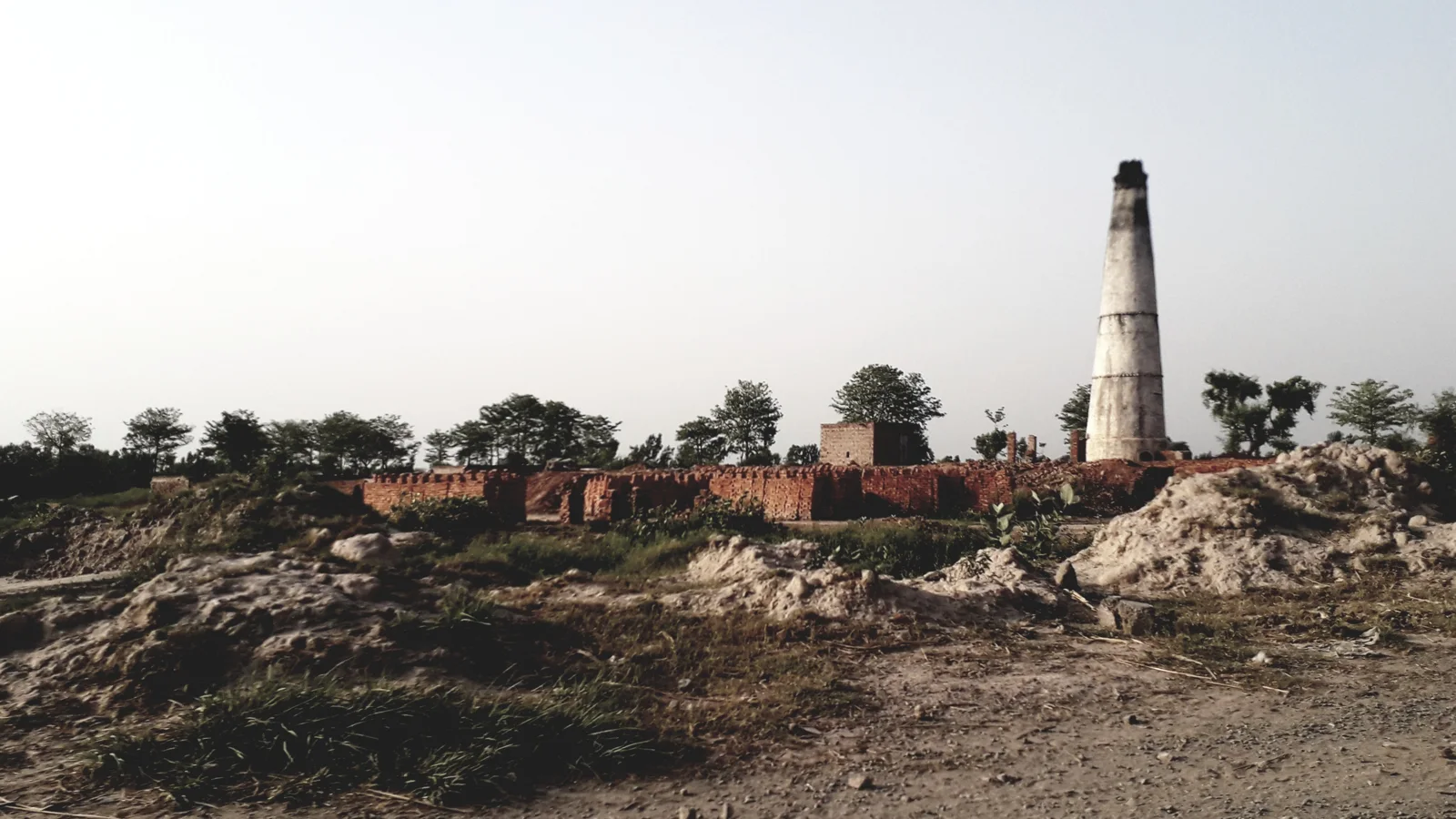
Documentary photographs show child labour in a Pakistani shop (Seattle Globalist, date unknown), schoolgirls in Khyber Pakhtunkhwa (Vicki Francis / DFID, 2011), and kiln locations (Tamseel Ahmad and chsufyan8). Each has source and Creative Commons license links beneath it. The children are not presented as survivors of the cases discussed. School pupils are not labelled as child workers. Headline screenshots link to original reporting. All image files are hosted locally.
Every number deserves a definition, a period and a source. This is a selected source library, not a complete systematic review.
Documentary photographs provide context, not evidence of an individual case. Captions distinguish children at work, pupils in school, and kiln locations, with dates where known. Source and license links appear beneath each photo. Headline screenshots link to original reports. Swipe or use the arrows to browse grouped images.